Diablo: Unbound will bring the series’ loot, heroes and dungeons to the tabletop
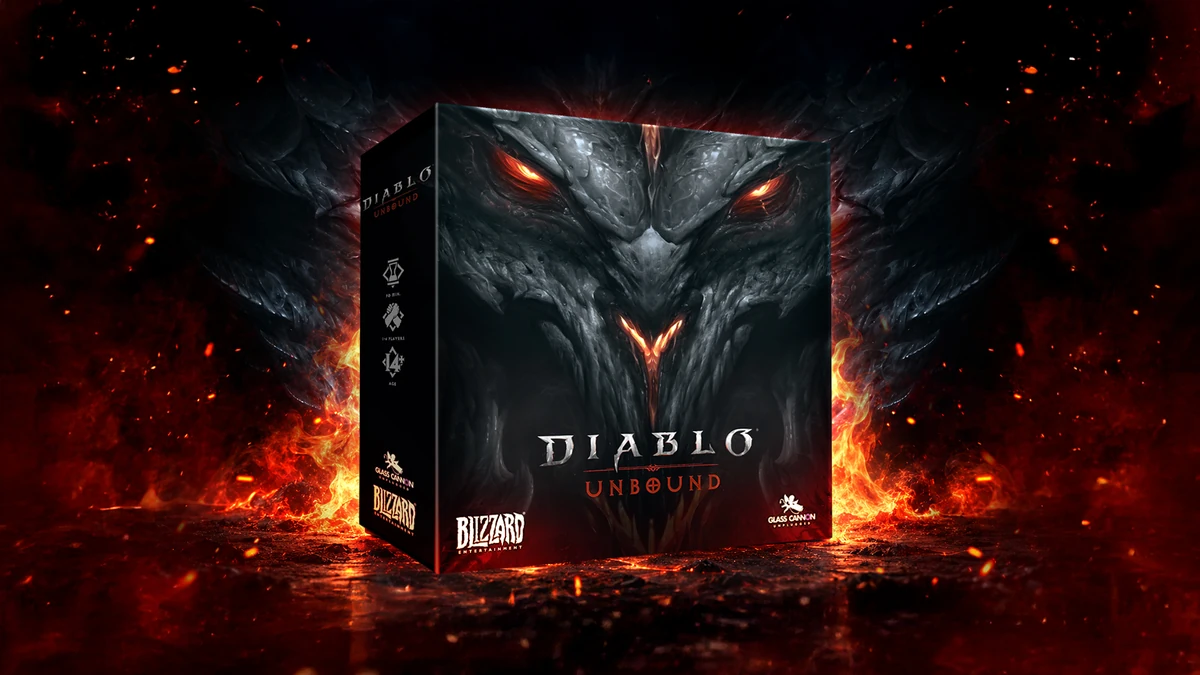
There is something instantly familiar about playing Diablo: finding a piece of gear that makes us rethink our character and want to try it out straight away. A sword, a skill or an unexpected combination can become the reason to enter another dungeon. Diablo: Unbound aims to bring that cycle of combat, loot and progression to a cooperative board game for one to four players.
Glass Cannon Unplugged, in collaboration with Blizzard Entertainment, is developing an adaptation that brings together elements from across the series. Its crowdfunding campaign is scheduled to launch on Gamefound in Q1 2027, with six language editions announced. The initial reveal outlines how adventures will be structured and the role each class will play, although the full rules and final contents have yet to be revealed.
A Sanctuary that brings different Diablo games together
Diablo: Unbound draws on the franchise’s history to bring heroes, locations and enemies together in new combinations. Players can choose a class, a dungeon, a monster family and a boss, with those four elements defining the adventure. The publisher describes it as a dungeon battler, with fighting through hordes at the heart of the experience. glasscannonunplugged.com
Each element contributes something different. Dungeons have their own objectives and hazards; monster families determine which creatures we will encounter; and bosses have a lair, abilities and multiple combat phases. Changing the enemies in a familiar location should make us reconsider our approach, although we will need to see the rules to understand how much those differences matter.
This freedom holds particular appeal for anyone with fond memories of several Diablo games. It offers a way to return to Sanctuary through its characters and creatures, without requiring every game to follow the same story. The promised variety will depend both on what comes in the box and on how those elements can be combined.
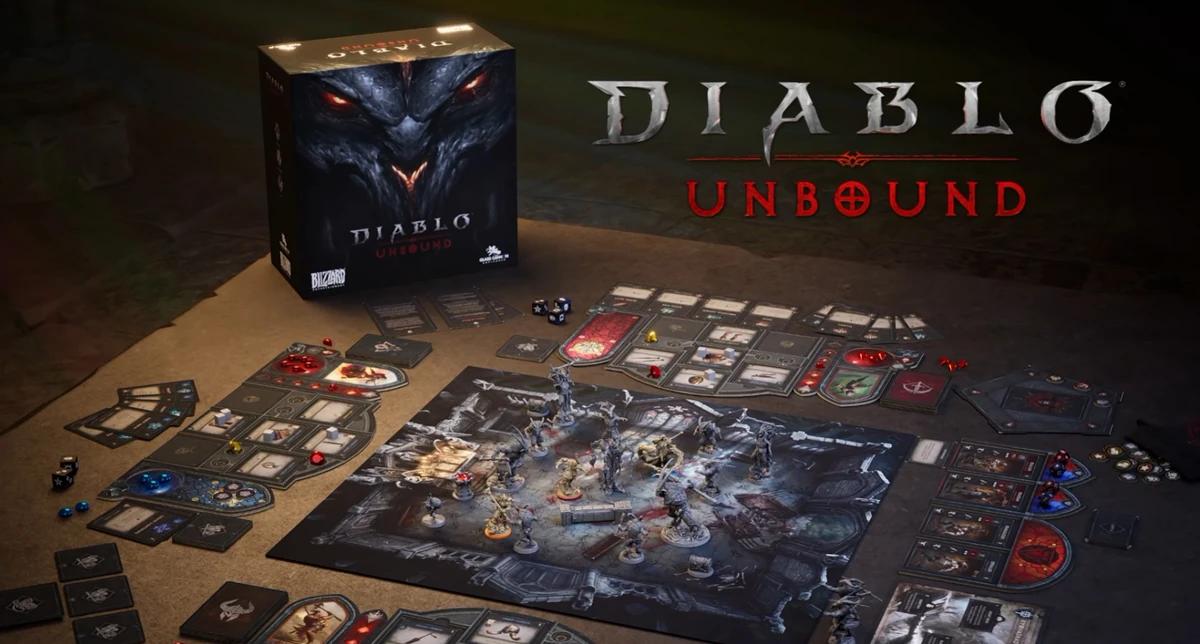
Three acts to develop a hero
The adventure is structured into three acts, each divided into three dungeon levels. In each act, the first two levels include story-based side quests, while the third culminates in a boss’s lair. This structure leaves room to develop our character before each major confrontation.
Although the listing gives a playing time of 90 minutes, the publisher specifies 60–90 minutes per dungeon level and around 3–4.5 hours per act. A save system will allow players to split an act across several sessions.
A dedicated solo mode has also been confirmed, which will interest anyone who prefers to explore these games at their own pace. We still need to learn how it adapts encounters and how many characters we will have to control, two questions that will have a considerable impact on the solo experience.
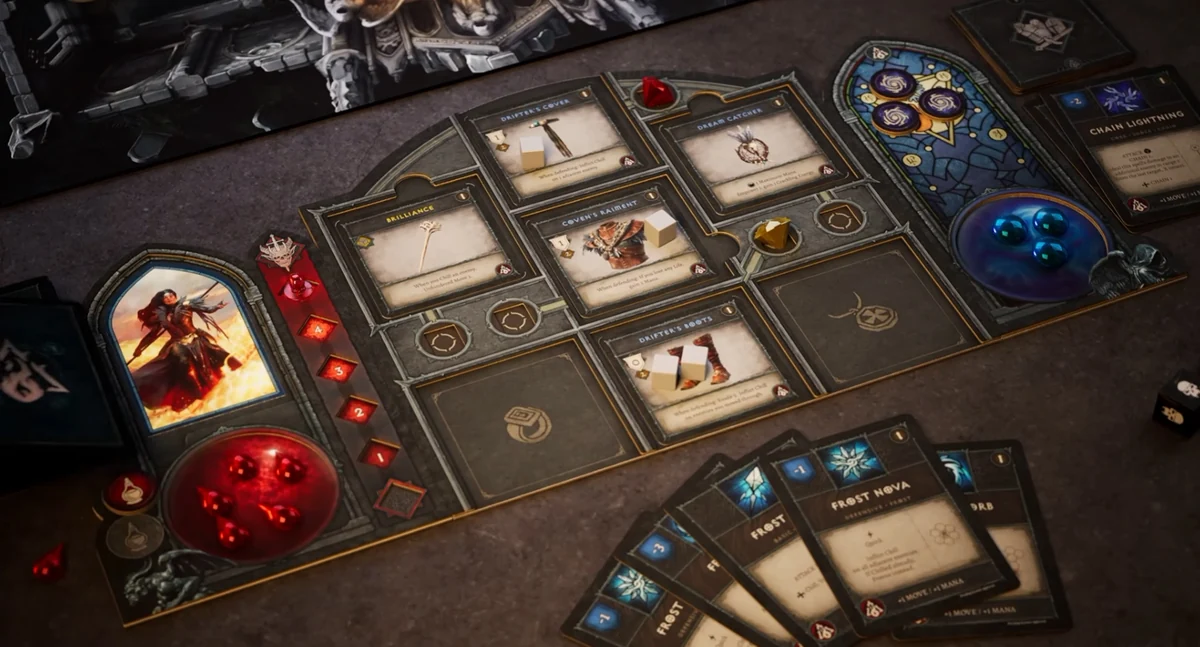
Loot matters because of what it lets you do
Between encounters, a town phase will let players manage loot, improve skills and respec their hero’s build. This preparation phase reinforces the idea that newly acquired gear can completely change how a character plays.
The intention is for new items to open up possibilities for the character and interact with the abilities we have chosen. The publisher’s examples include a Paladin built around Blessed Hammer and another focused on chaining melee attacks.
The confirmed classes are Barbarian, Rogue, Paladin and Sorceress, each with its own mechanics: the reveal mentions the Paladin’s auras and the Barbarian’s Fury. This suggests differences that go beyond the weapon each miniature carries. Choosing a hero should change how we manage resources and prepare our actions, although we do not yet have the same level of detail about all these systems.
The game also encourages players to revisit bosses to earn unique rewards and begin new adventures with different combinations. This is one of its most recognizably Diablo promises: that a new character build will make us want to put it to the test again. Its lasting appeal will depend on how much acquiring skills and gear changes our decisions.
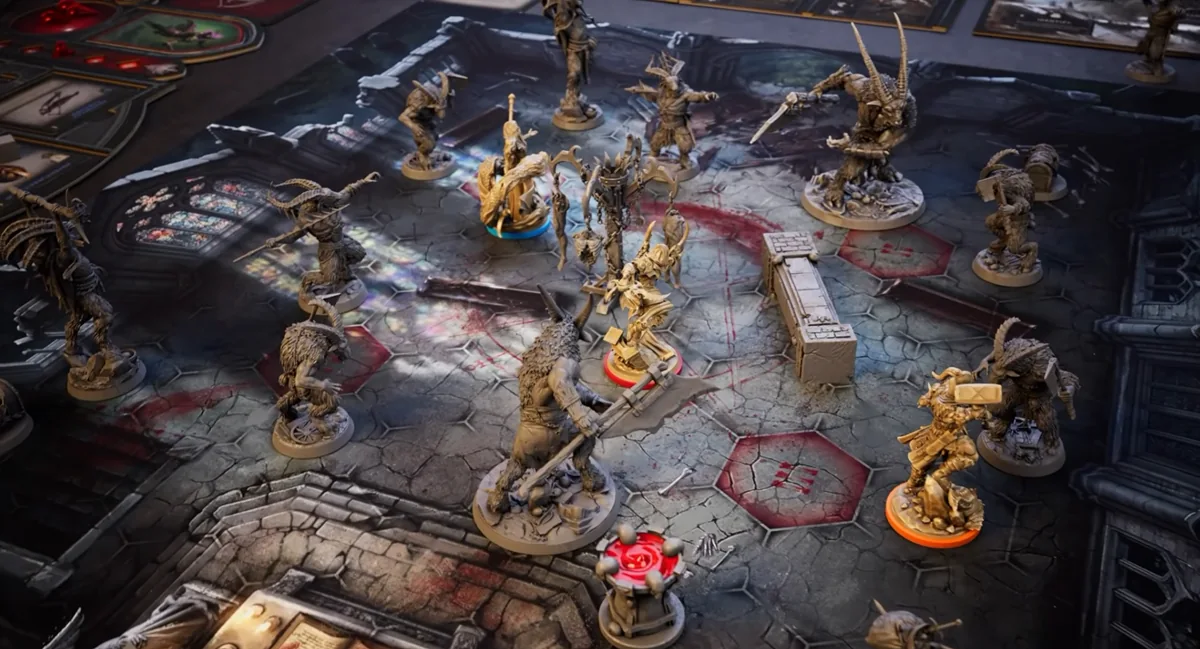
The Rogue turns cards into attack sequences
The Rogue is the class whose gameplay has received the most detailed explanation so far. Her approach to combat rests on three elements:
- Chaining skills: her cards can be linked by matching symbols to generate Combo Points, which are then spent on powerful finishers. Planning the order of her actions is part of her combat style.
- Staying on the move: she can alternate between ranged and melee attacks, close in to strike and reposition before becoming trapped.
- Setting traps: these allow her to control enemy movement and trigger effects in the dungeon.
This is a good example of how an adaptation can capture the feel of a video game through decisions suited to a board game. On paper, the Rogue encourages us to think about sequences, positioning and timing. We still need to see how that rhythm works when several heroes share the board and the hordes start closing in.
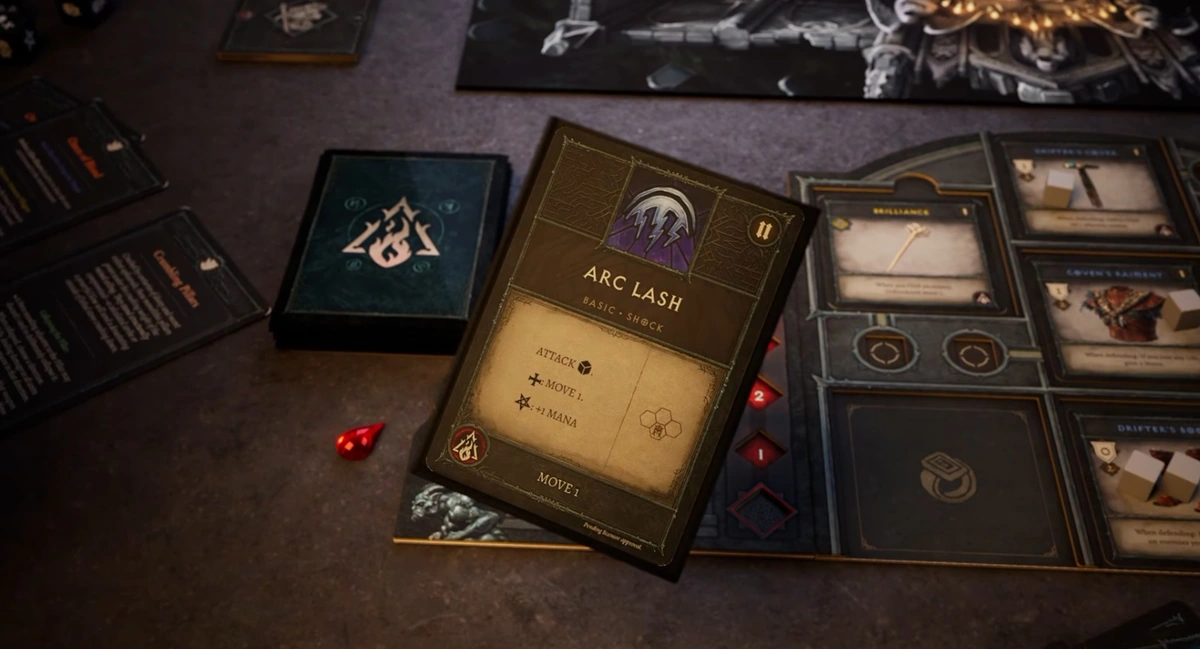
The Khazra offer a first look at the hordes
The Khazra, Sanctuary’s goatlike creatures, are the monster family explored in this initial reveal. The promotional material shows several types of Khazra, including maulers, elite shamans, raiders and impalers. According to the reveal, this family comprises twelve miniatures, which should not be mistaken for the game’s total enemy count.
The images show miniatures with horns, fur, crude weapons and scenic bases. Their stated heights range from 44 to 80 millimeters, depending on the creature. For those of us who enjoy painting miniatures, some details stand out, particularly on the elite models, although the renders do not yet allow us to judge the finish of the physical pieces.
The reveal also touches on their human origins and the demonic corruption that transformed them. We like these creatures having a place in the world we will explore. It remains to be seen how their identity will be reflected in each enemy’s behavior and the adventure’s encounters.
Crowdfunding in 2027 and a Treasure Goblin gift
Q1 2027 is the announced launch window for the Gamefound campaign, rather than a delivery date. English is one of six planned languages, alongside Polish, German, Spanish, Italian and French. Pricing, shipping costs, the fulfillment schedule and the full contents of the various pledge levels have yet to be detailed.
The prelaunch incentive is the Treasure Goblin Expansion, announced as a Gamefound exclusive. It will include a miniature, a dedicated gameplay module and loot cards that will be revealed over the coming months. To receive it for free, players must follow the project before the campaign launches, then make a pledge that includes a physical product during the campaign, using the same account.
All material shown remains subject to change and licensor approval. We have an initial description of the structure and some mechanics, but we will need the rulebook and a breakdown of the contents to assess what each box offers and how much table space this version of Sanctuary requires.
| Detail | Announced information |
|---|---|
| Name | Diablo: Unbound |
| Publisher | Glass Cannon Unplugged, in collaboration with Blizzard Entertainment |
| Game type | Cooperative dungeon combat game; the publisher uses the term dungeon battler |
| Players | 1–4, with a dedicated solo mode |
| Playing time | 60–90 minutes per dungeon level; around 3–4.5 hours per act |
| Recommended age | 14 and up |
| Crowdfunding | Gamefound, scheduled for Q1 2027 |
| Announced languages | English, Polish, German, Spanish, Italian and French |
Our thoughts
What interests us most about Diablo: Unbound is the relationship between a hero’s identity and the desire to play them again. The Rogue offers an easy-to-grasp first example: chaining skills, moving between enemies and setting traps help us picture how she will play on the tabletop. If the other classes achieve a similarly distinct identity, trying a different character or changing their gear could give the same dungeons considerable replay value.
The combination of locations, monster families and bosses also strikes us as an appealing approach for a series with so many places we would like to revisit. We now want to learn how its three acts fit together, how long developing a hero takes and how much variety the core box will offer. For now, there is a concept worth following with interest: build a character, gather the party and discover what awaits us in the next dungeon.