March of Chaos: new rules and customisation for Chaos armies in The Old World
For years, Chaos has been one of the most iconic forces in the Warhammer world. Not only for its armoured warriors or its monstrosities, but for the idea that every army is a collection of stories of corruption, ambition, and survival.
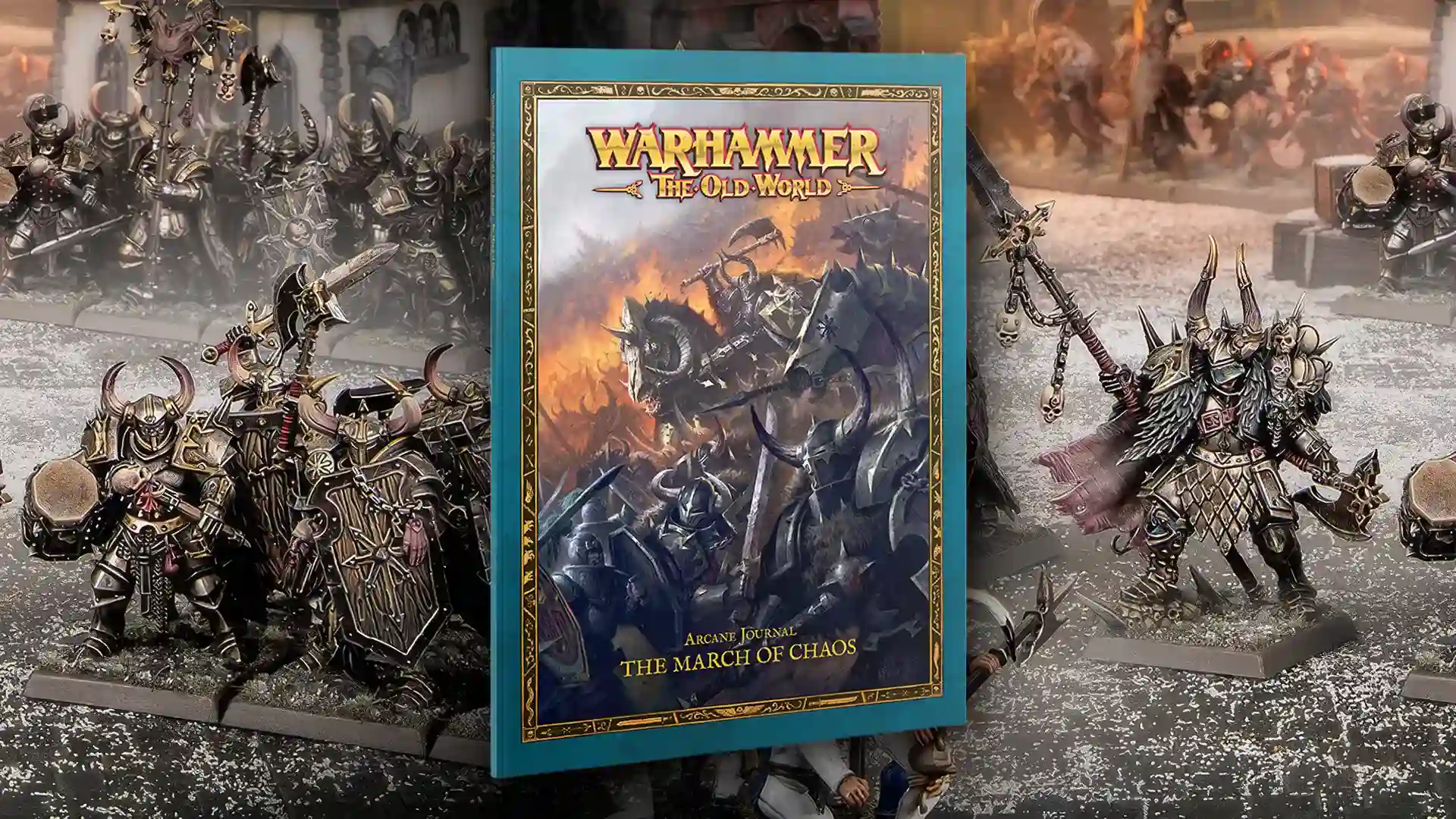
With the arrival of Arcane Journal: The March of Chaos, the Warriors of Chaos army gets something more important than new miniatures: it gets new ways to play. The goal seems clear: every warlord, sorcerer, or champion should feel truly unique on the battlefield.
And that is precisely what makes a supplement of this kind special in Warhammer: The Old World. It does not try to replace the army’s identity, but to give it more paths. More decisions. More stories to tell after every game.
Chaos lore: from the Path to Glory to the Shard Lands
One of the most common mistakes when thinking about Warriors of Chaos is to picture an army with no story, simply advancing forward and crushing everything in its path.
Although that brutality is part of their essence, the new Arcane Journal digs deeper into the army’s narrative. The book explores in detail the Path to Glory those chosen by the Dark Gods must walk, the methods by which the most fearsome fighters are inducted into their ranks, and the history of the infamous impossible fortresses of the Shard Lands, where the world of mortals meets the realm of the gods.
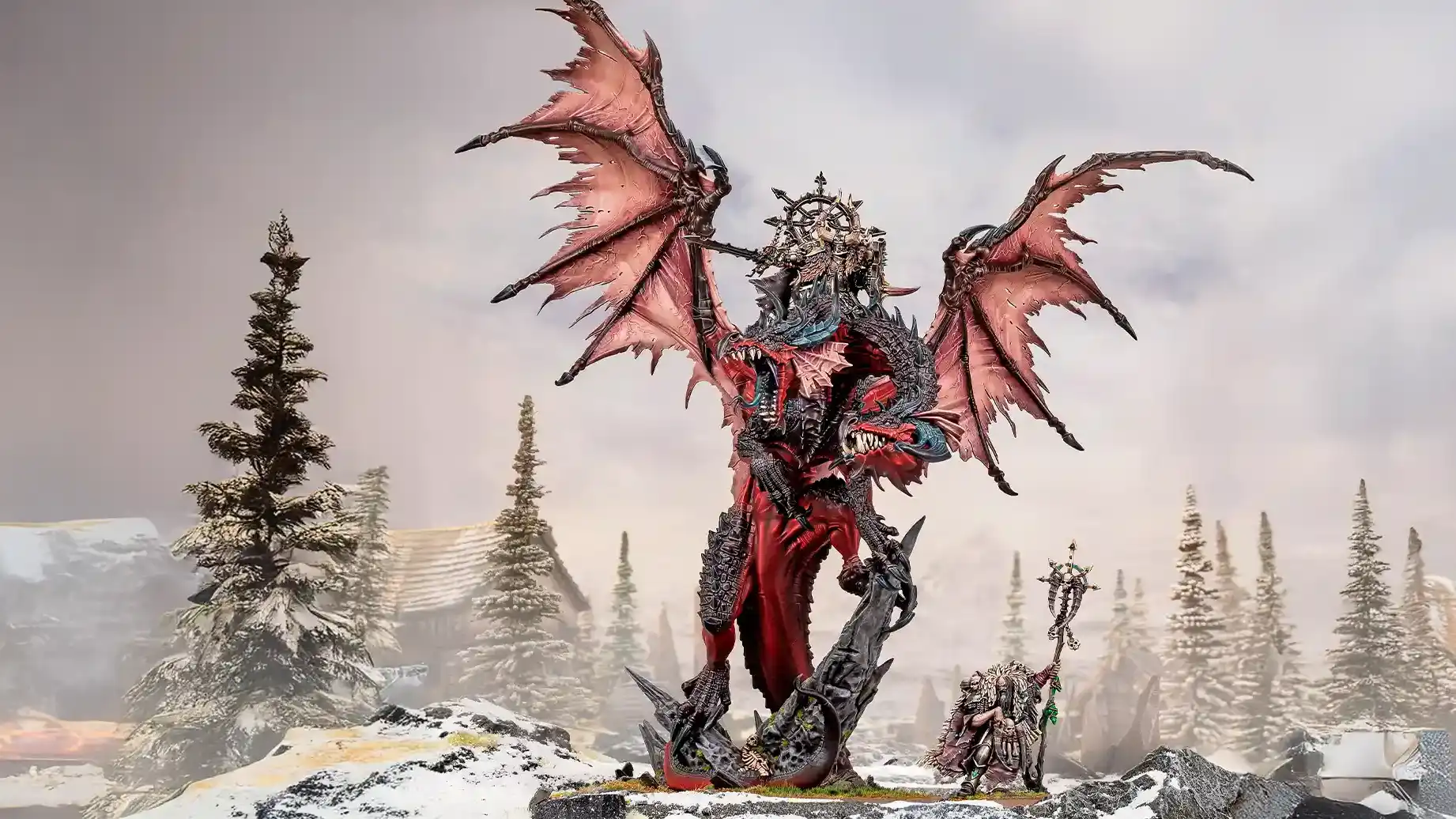
All of this lore serves to contextualise the real threat: Frydaal the Chainmaker’s incursion into Westerland was only the prelude to a far greater invasion, with armies marching from the gates of their frozen fortresses against the nations of the Old World.
Custom champions: the fickle favour of the Dark Gods
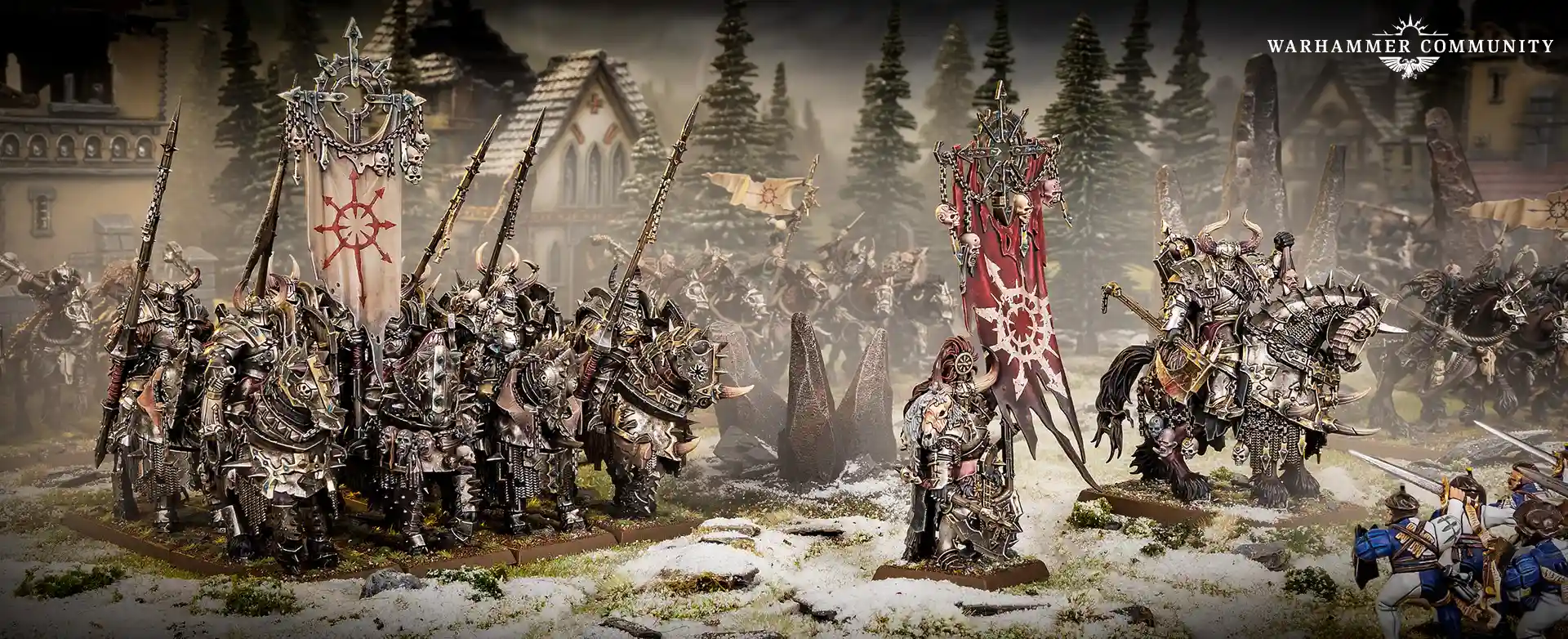
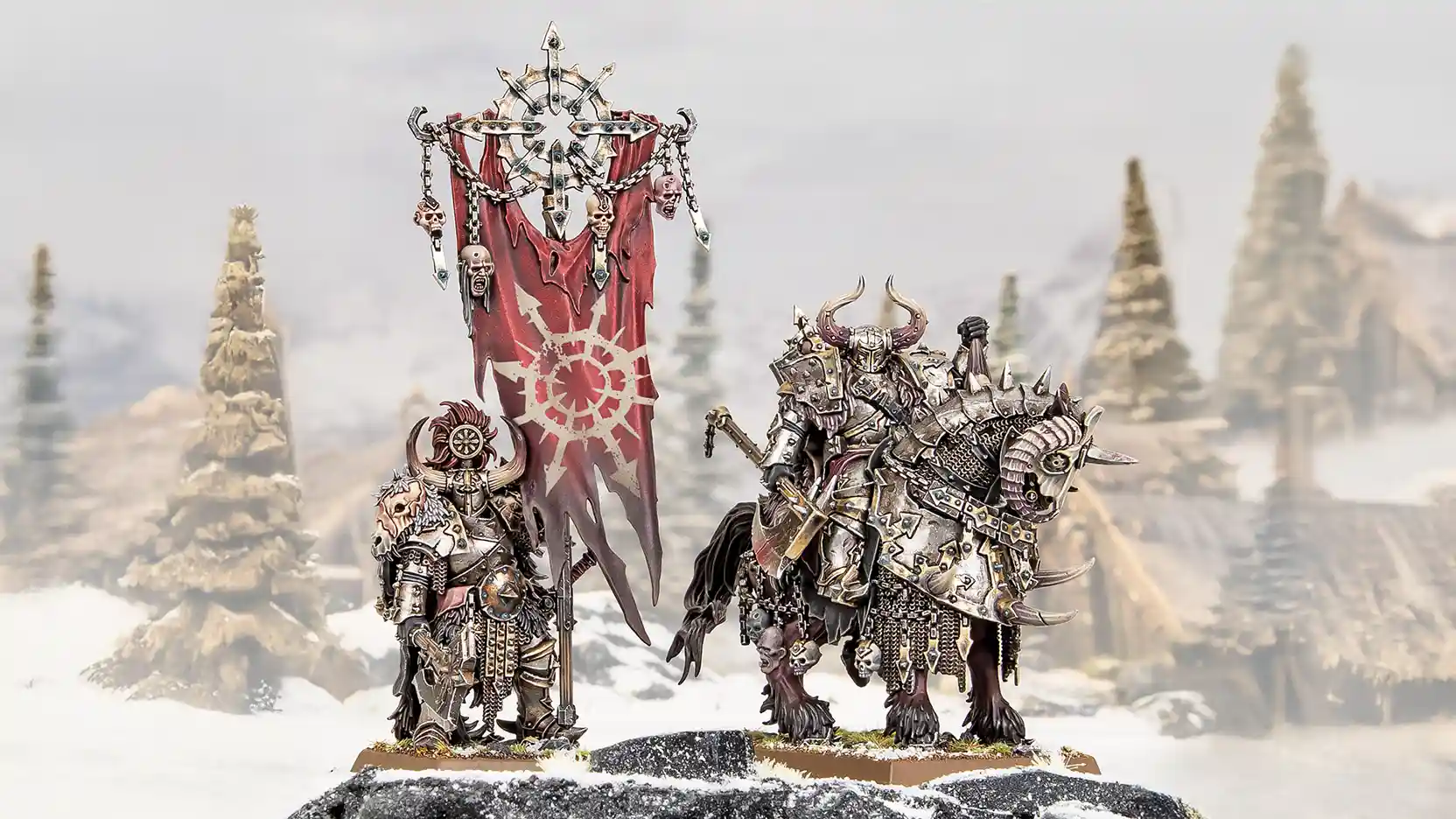
One of the most striking additions is the new rules for creating custom Champions of Chaos and Beastman Chieftains.
The idea fits the classic lore perfectly: a Chaos champion should not feel like a generic character, but like someone who has survived impossible trials and earned rewards… or curses.
These rules, aimed firmly at narrative play, let you randomly determine certain characteristics of the character. That way, the whim of the Dark Gods will dictate your leader’s strengths and weaknesses: one lord may become a lethal combat machine, while another may stand out for resilience or magical power.
For narrative players, this opens a huge door: create a campaign where your champion starts with random attributes and ends up as a true dark legend.
A new way to control magic in the Old World
With the stirring of the Lords of Chaos, the Winds of Magic have begun to blow as a true ætheric storm. To reflect this, the book introduces several optional magic mechanics that any player can use in their games of Warhammer: The Old World.
-
Channelling: Allows Wizards of different levels to generate a pool of Channelling dice at the start of the game. These can then be spent to boost Casting and Dispel rolls, or to extend the range of their spells and Dispel attempts.
-
Arcane Magic Ploys: Using a deck of cards (or an alternative table for those without them), players can draw ploys with a range of tactical effects. Most allow you to re-roll Casting or Dispel rolls, while the rarest can turn any double (other than a natural double 1) into a Perfect Invocation.
-
Sorcerous Ruses: Allow Wizards in your army to roll for a ruse they can deploy during the game. Effects range from recovering a lost Wound to “consuming” one of a rival Wizard’s spells so it cannot be cast again.
-
Disastrous Miscast table: To offset all this magical potential, there is a far more punishing and dangerous miscast table that must be used alongside these optional rules, reflecting the wild and destructive nature of the Storms of Magic.
Magic items: cursed artefacts in Westerland
Another important section of the book covers the new common magic items. They represent the kind of accursed artefacts a warrior might find littering the battlefields of Westerland:
- Sword of Reaving: Gives its wielder D3 Extra Attacks, but punishes them if any fail to wound.
- Daemon-blooded Steed: Improves a cavalry character’s mount.
- Scroll of Invocation: A single-use item that allows a Wizard to forgo a Casting roll and cast a spell at its minimum casting value. Especially useful for a Wizard recently stung by the Disastrous Miscast table.
These kinds of items are a good example of how magic equipment in The Old World should work: not simply adding more numbers, but changing how you play a unit or a character.
A dark alliance: Warriors of Chaos, Beastmen, and Cultists
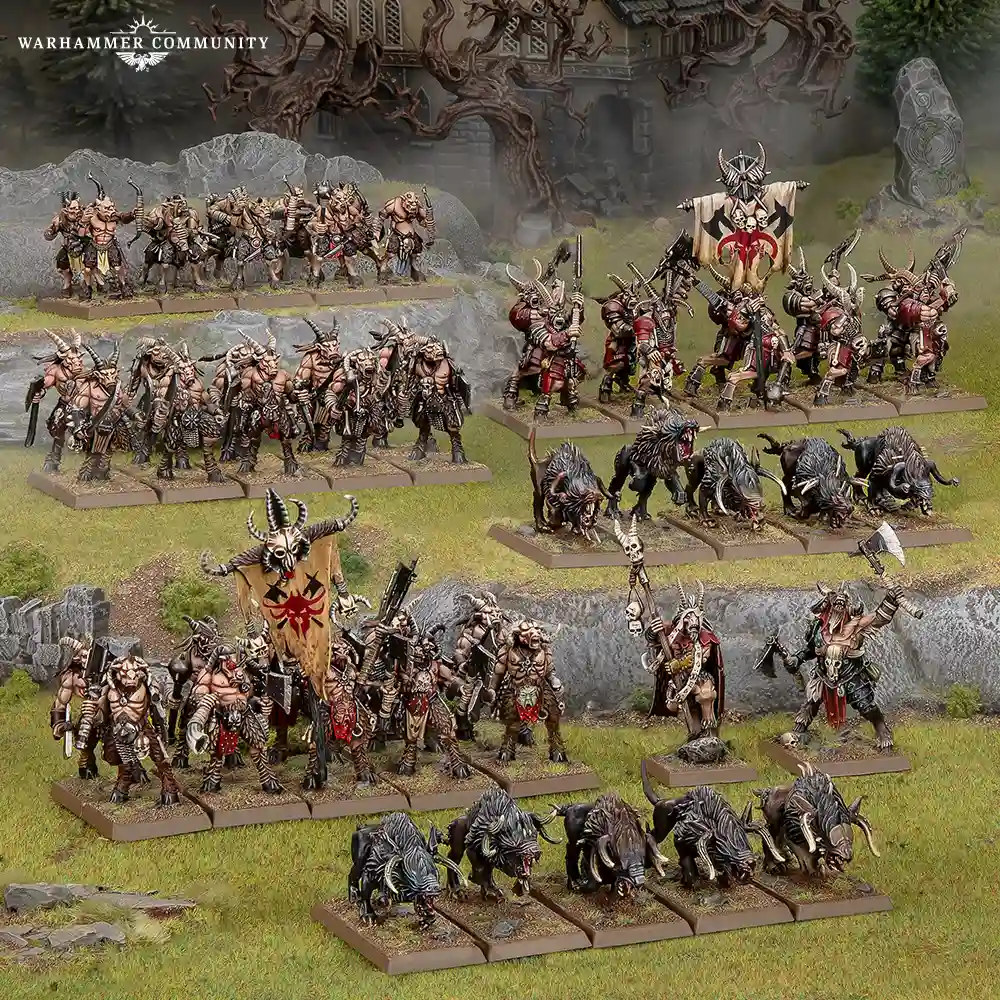
One of the most striking pieces of content in the supplement is the new Army of Infamy, which lets you field the Hordes of Chaos by combining units from Warriors of Chaos and Beastmen Brayherds in a single army list.
It also allows groups of desperate Chaos Cultists: denizens of the Old World who have turned against their lords and masters, drawn by the lure of the Ruinous Powers.
On the table, this option opens a completely different way to build the army. You can picture a horde where the armoured warriors bring discipline and hitting power, the beasts add speed and savage brutality, and the cultists act as a disposable manoeuvre mass.
Customising your army: the real appeal of Chaos
Beyond the specific rules, the biggest contribution of this supplement may be the ability to create armies with more personality.
Chaos players have always had a narrative advantage: almost any combination can make sense. You can create a Norse tribe only just beginning to fall under the influence of the Dark Gods, a warband of fully corrupted warriors, or a force led by a champion obsessed with eternal glory.
The new options reinforce exactly that idea. If you are starting a Warriors of Chaos army, this may be the best moment to decide first what story you want to tell, and then build the list around it.
Our take
Arcane Journal: The March of Chaos seems to follow a philosophy that suits The Old World very well: add a huge range of options without making them mandatory to play.
The greatest strength is not inflating unit stats, but reclaiming the purest essence of Chaos: unpredictability. Introducing optional magic rules for any army alongside a truly punishing Miscast table brings back that constant risk, where unleashing the Winds of Magic can save your game or destroy your own Wizard.
Chaos has always been about unchecked ambition and inevitable ruin. About champions who surrender themselves to the whim of the Dark Gods, and entire nations that crumble from within under the influence of the cults.
Because the best Chaos campaign is not the one where you win every game. It is the one where, after many battles, your opponent still remembers exactly who that champion was who one day appeared on the battlefield… and who was never the same again.