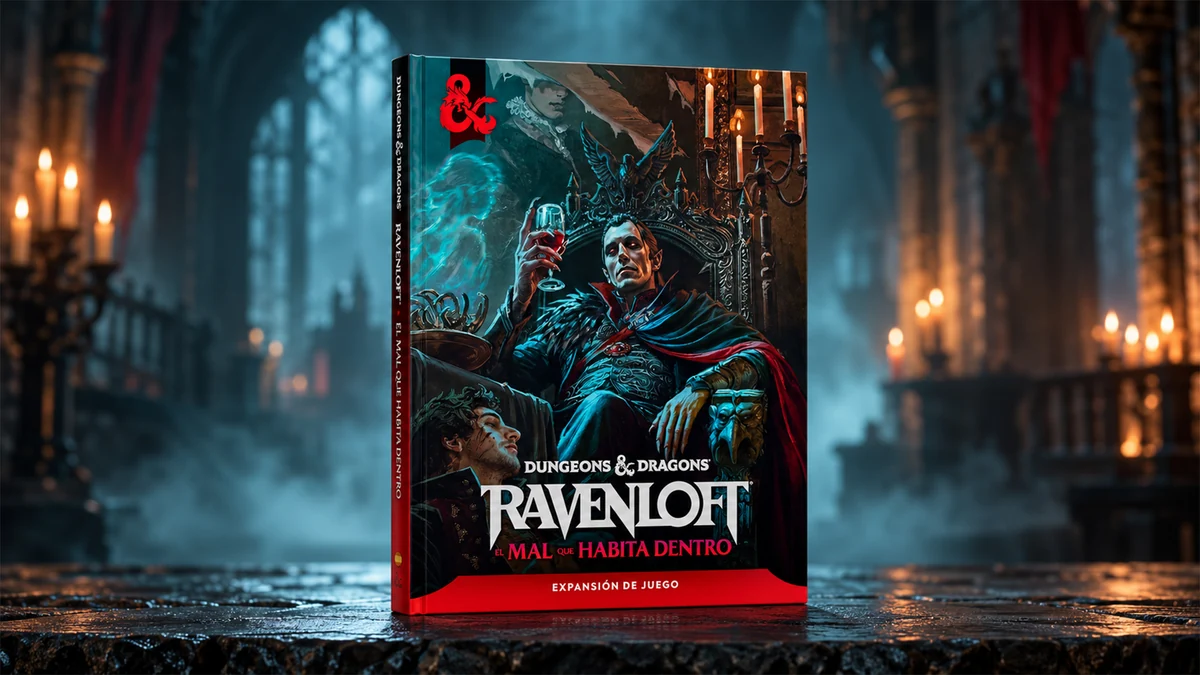
Ravenloft: The Horrors Within, Tools for Bringing Horror to Your D&D Adventures
A laboratory where someone is trying to bring back what should remain dead, a house that holds on to its former residents a little too well, or a forest that leaves everyone who enters it changed. Horror in D&D can take many forms, and each asks something different of the person preparing the game.
Ravenloft: The Horrors Within brings together settings, characters, and tools for exploring those possibilities using the revised D&D rules. Its approach invites us to look beyond Strahd’s castle: find an unsettling place and turn it into the beginning of a story of our own.
Sixteen domains to inspire your next story
The supplement explores 16 Domains of Dread, including Barovia, Lamordia, Mordent, and Innsmouth. It also covers creating your own domains and ten horror genres, including gothic, body, cosmic, and psychological horror. That range lets you choose the kind of unease that best suits your group.
This variety makes it easier to imagine campaigns with distinct identities.
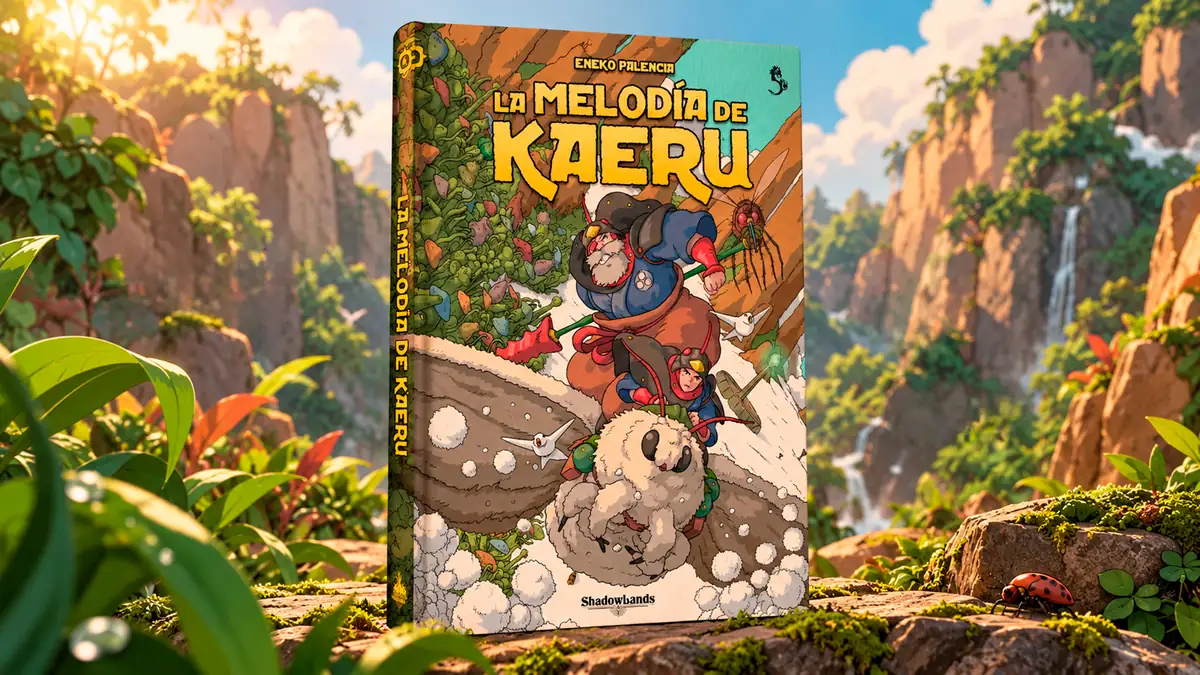
We might start with a disappearance, an experiment someone wants to conceal, or a community that accepts a terrible custom. These are examples of ways to put a setting to work: find what disrupts everyday life and let the characters decide how deeply they want to get involved. As with La melodía de Kaeru, a world’s personality can start suggesting adventures before you have even written a plot.
From setting to your first sessions
Wizards presents 16 domains accompanied by 17 short adventures, alongside guidance for developing longer story arcs. These are joined by 47 maps and complete stat blocks for 17 Darklords. Together, they give the Dungeon Master concrete starting points for preparing locations and encounters.
The book serves as a setting supplement and toolkit, rather than an extended campaign like Curse of Strahd.
If you enjoy building your own stories, that structure lets you choose a domain for a few sessions or make it part of a larger journey. It also leaves room to take a creature or location and introduce it into an existing campaign. How useful it proves will depend on how much you enjoy developing the material between sessions.
Characters who carry horror with them
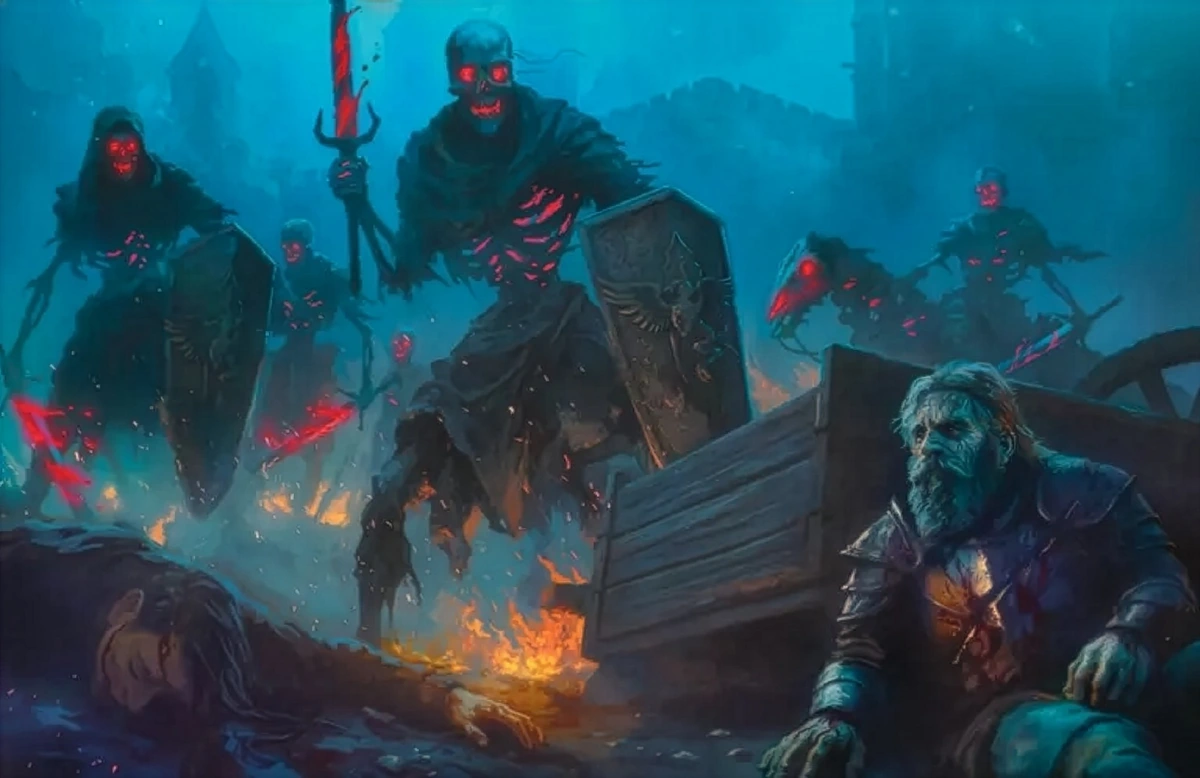
The seven subclasses (two new and five revised) allow the setting’s tone to shape the protagonists themselves. They include the new Reanimator for the artificer and Hollow Warden for the ranger. The former creates and modifies a reanimated companion; the latter takes on an unsettling form tied to the darker forces of nature.
Revised options also return, including the College of Spirits bard, Phantom rogue, Grave Domain cleric, Shadow Magic sorcerer, and Undead warlock patron.
What appeals to us is what those choices might suggest for roleplaying: a character who relies on the dead for answers, someone responsible for a creature others fear, or a ranger whose transformation is starting to worry their companions. The rules provide a foundation for developing those relationships without leaving all the mystery to the antagonists.
Create a domain and turn a refuge into an adventure
The contents include tools for creating Darklords and domains, as well as advice on atmosphere and running horror at the table. The supplement also introduces haunted Bastions, bringing the supernatural into the place the characters might consider home.
A refuge can become the focus of several sessions.
We might imagine a sealed room someone needs to reclaim, a presence best dealt with through negotiation, or a secret that explains why the house is never empty. These are possible uses for the material, rather than specific adventures from the book. That intimate scale appeals to us: giving the group somewhere they want to return to, and reasons to care for it.
What has changed since Van Richten’s Guide?
Owners of Van Richten’s Guide to Ravenloft will recognize domains, characters, and parts of the approach. The new supplement revisits that ground, adapts it to the current rules, and adds complete Darklord stat blocks, playable adventures, maps, and character options. That continuity is worth understanding rather than treating everything here as entirely new material.
The seven subclasses include two new and five revised options. The Darklord stat blocks, adventure support for individual domains, and haunted Bastions are among its most tangible additions.
The earlier book has its own more substantial adventures, such as The House of Lament, with no adventure of comparable length in the new supplement. For existing owners, the question remains which resources they want to add to their campaign. For newcomers to Ravenloft, The Horrors Within offers a way to explore the setting without needing the earlier guide first.
Our thoughts
This looks like an intriguing option for those who enjoy preparing adventures and want to give their D&D games a distinct horror identity. Its domains, antagonists, and character options offer a variety of starting points. The value will lie in choosing a few resources and developing them with the group; how much preparation its adventures and tools actually save remains to be seen at the table.
We are particularly drawn to the idea of a campaign that begins with something small: a task, a locked door, or a neighbor who has not left the house for days. Ravenloft provides room for that unease to grow as the characters build ties to the place. Sometimes, the best reason to open a supplement is to find a scene we already want to bring to the table.