The plastic Thunderhawk we've been waiting years for has finally arrived. The problem is, it can't fly.
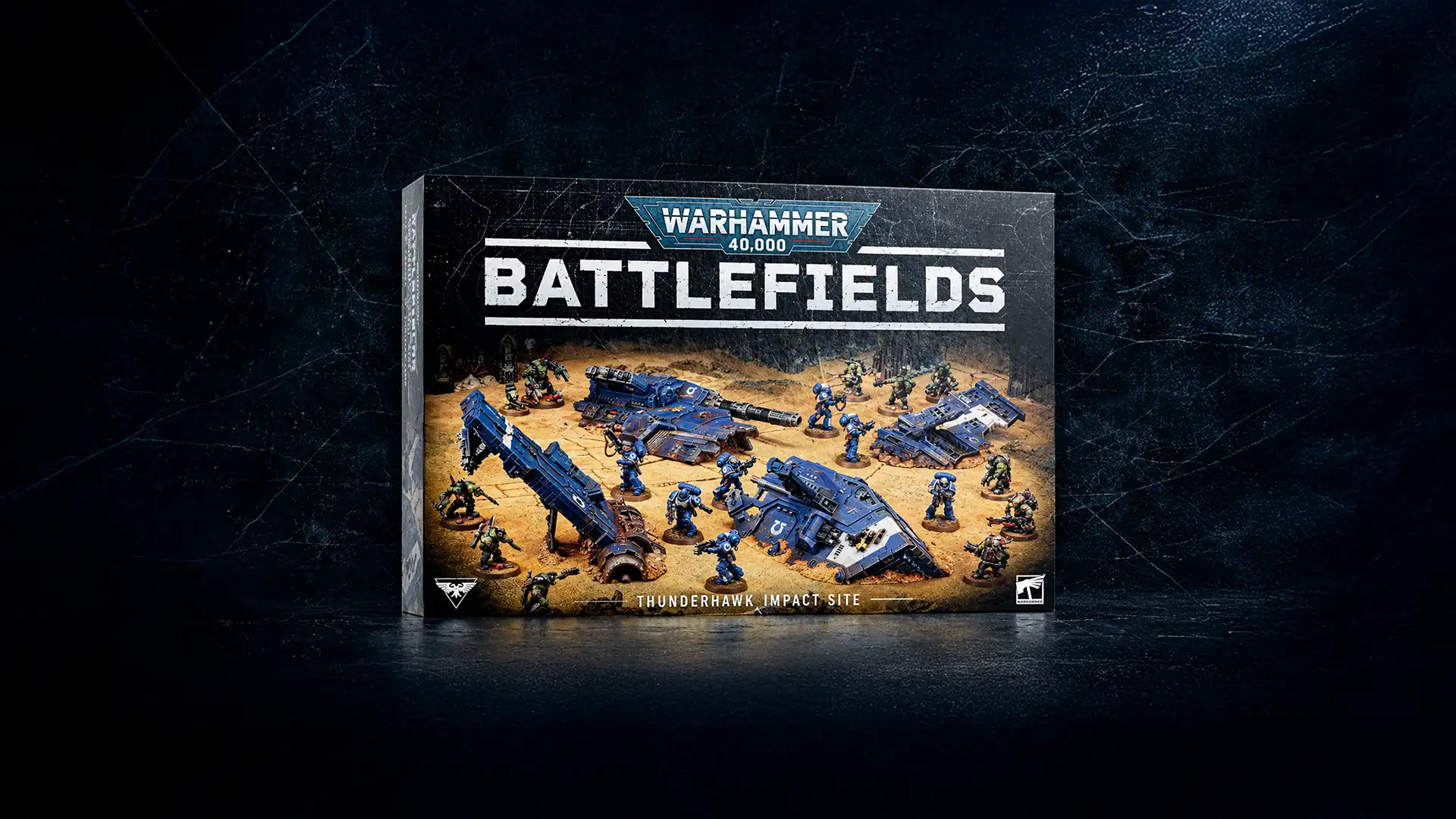
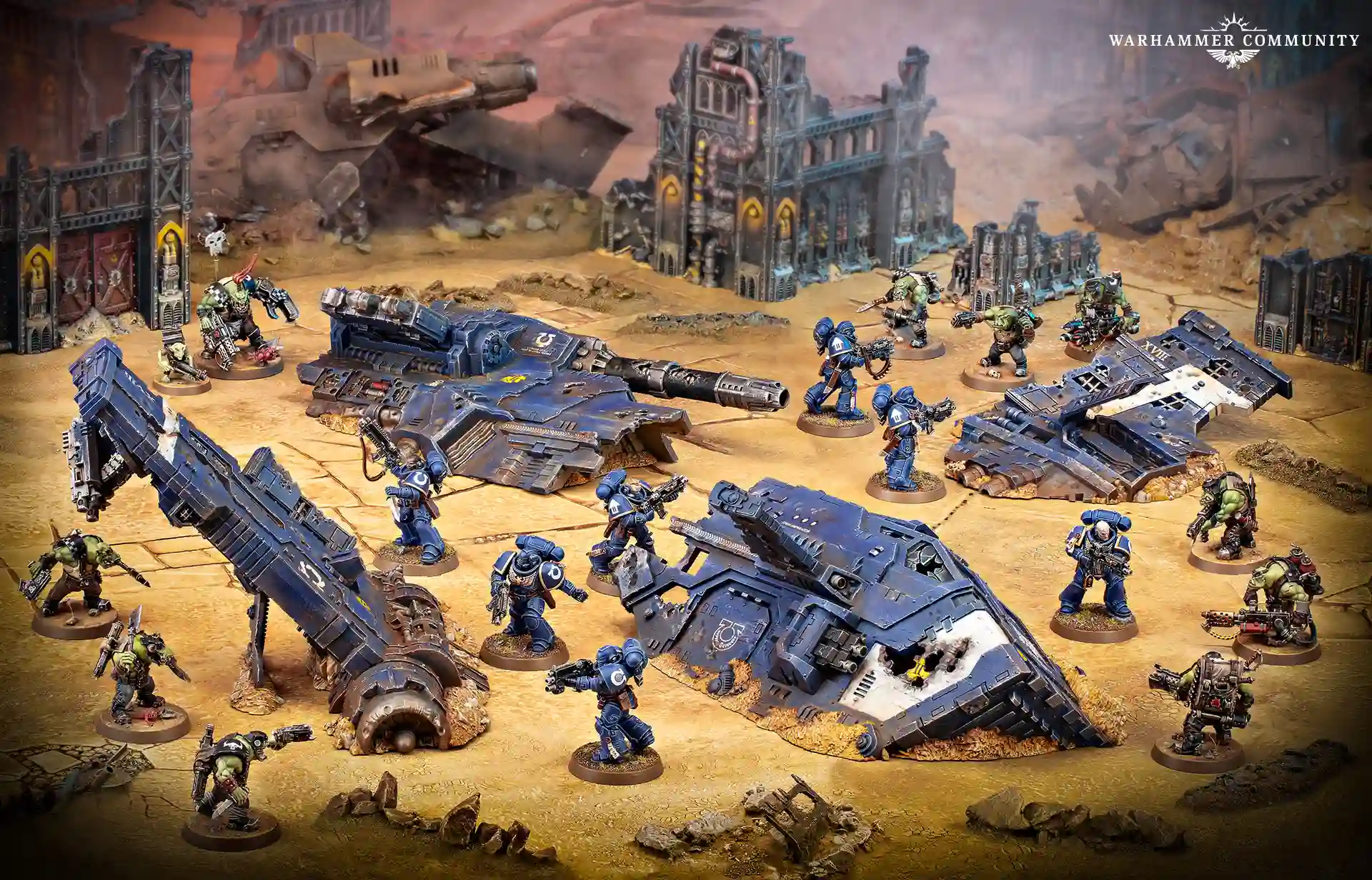
Yesterday Games Workshop played once again with one of the hobby’s oldest rumours: the plastic Thunderhawk Gunship. The headline promised a lot; the content was a masterclass in trolling. What actually arrives is the Crashed Thunderhawk, a scenery kit with four terrain pieces that recall the classic crashed Aquila Lander from the Battle for Macragge box.
A day after the reveal, the meme is already in full swing. But beyond the troll, this release fits a clear direction Games Workshop has been hinting at for months: investing in scenery as a headline product, not just as a companion to army boxes.
The joke works because the model delivers
Games Workshop did not hide it: the official article opens with the promise of a plastic Thunderhawk and then admits, well, not exactly. It is corporate humour, yes, but also a way of acknowledging that the community has been waiting for that kit for years.
The majority reaction has been similar: a mix of “I’ve been baited” and “well played”. What is curious is that anger does not dominate. Even those who wanted the full gunship admit the scenery is attractive, fits the narrative tone of 40K, and that several players are already thinking of buying it to pair with their crashed Aquila or to stage a defeat for their Chapter on the tabletop.
The kit carries no specific Chapter insignia and is presented as a canvas for weathering techniques. That is the key: they are not selling a playable vehicle, they are selling a story.
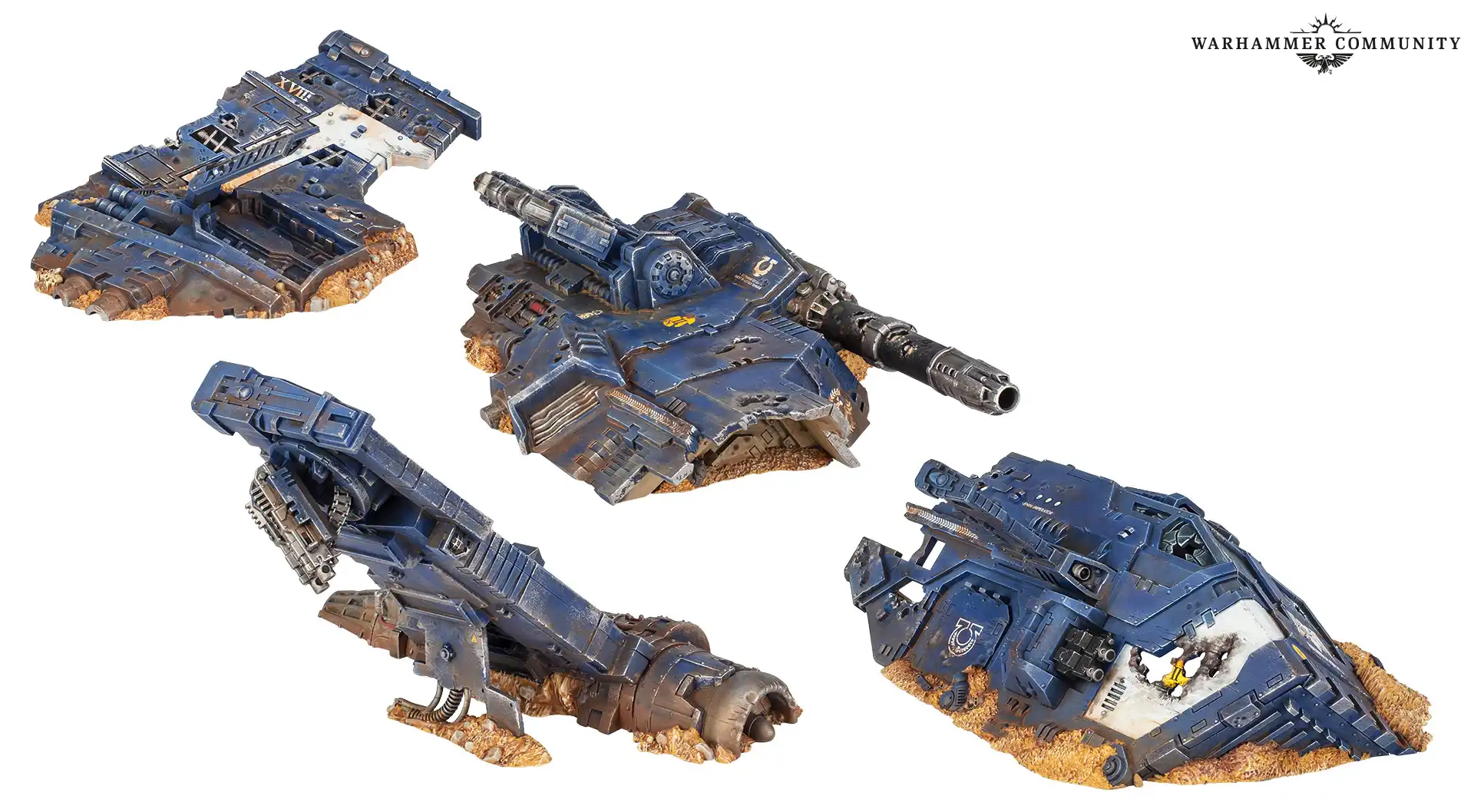
Battlefields: the context that turns this into more than a gag
If we look at Games Workshop’s recent calendar, the Crashed Thunderhawk does not appear in a vacuum. During the Summer Preview, the Warhammer 40,000 Battlefields boxes were already announced, with Armageddon terrain in unpainted and pre-painted versions, terrain footprints, and folding boards designed to set up a full table in minutes.
The logic is coherent:
- Battlefields: Armageddon bets on a full industrial battlefield, with ruins, galvanic networks, and capacitors.
- Combat Patrol: Battlezone offers a smaller version for quick games, in the same spirit as the Combat Patrol format as a gateway into 40K.
- The Crashed Thunderhawk would add a large narrative piece, the kind that turns a generic board into a failed landing scene.
Is there a full Thunderhawk in CAD?
Here we enter rumour territory, but it is worth recording this as community speculation, not confirmation.
Several hobbyists reason that, to design a crashed Thunderhawk with this level of plastic detail, Games Workshop must have needed a digital model of the vehicle far more complete than a simple terrain block. Some believe these pieces could come from reusable CAD work for a future full kit.
The commercial argument also makes sense: Space Marines lack a central plastic centerpiece comparable to the big kits of other factions. A full Thunderhawk would be a huge project, but spending decades selling the idea without delivering turns every wink into fuel for speculation. This reveal, far from closing the rumour, has revived it.
Our reading is more cautious: a detailed CAD does not mean Games Workshop will release the full model soon. But it does show the studio has spent time on the aircraft’s shape, and that always feeds hope.
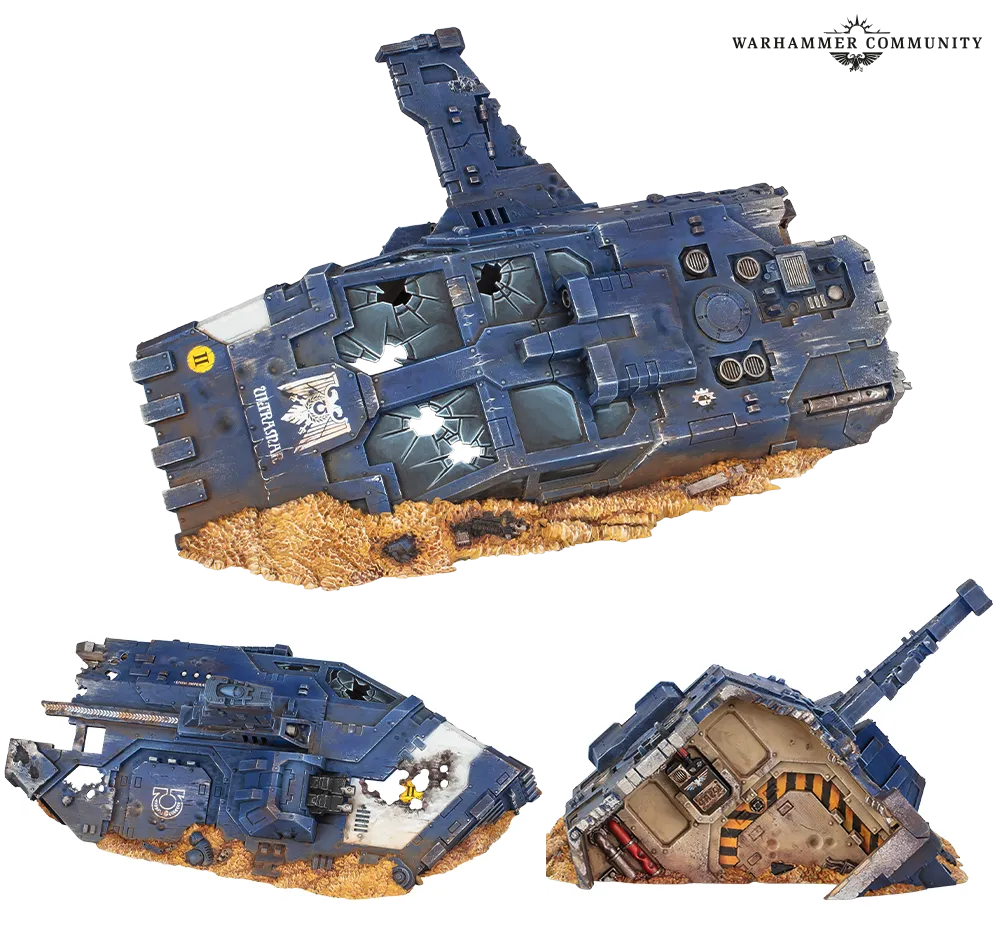
Image: Warhammer Community 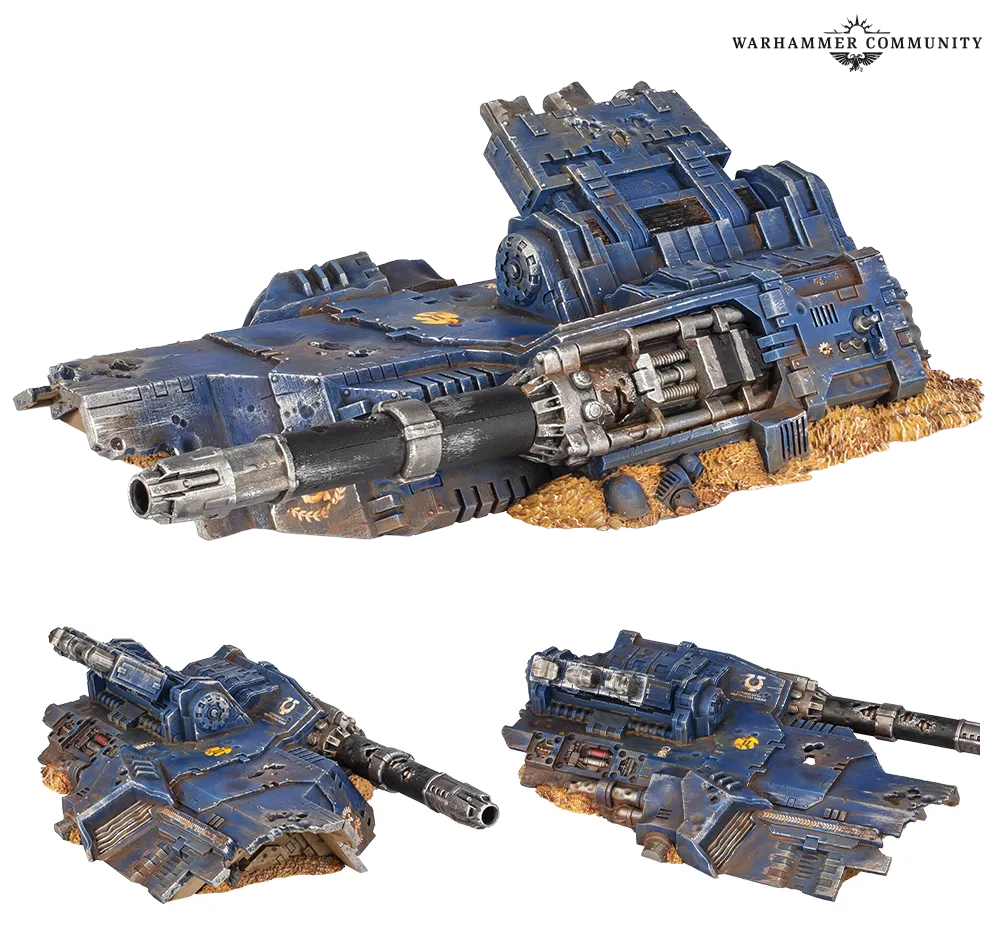
Image: Warhammer Community 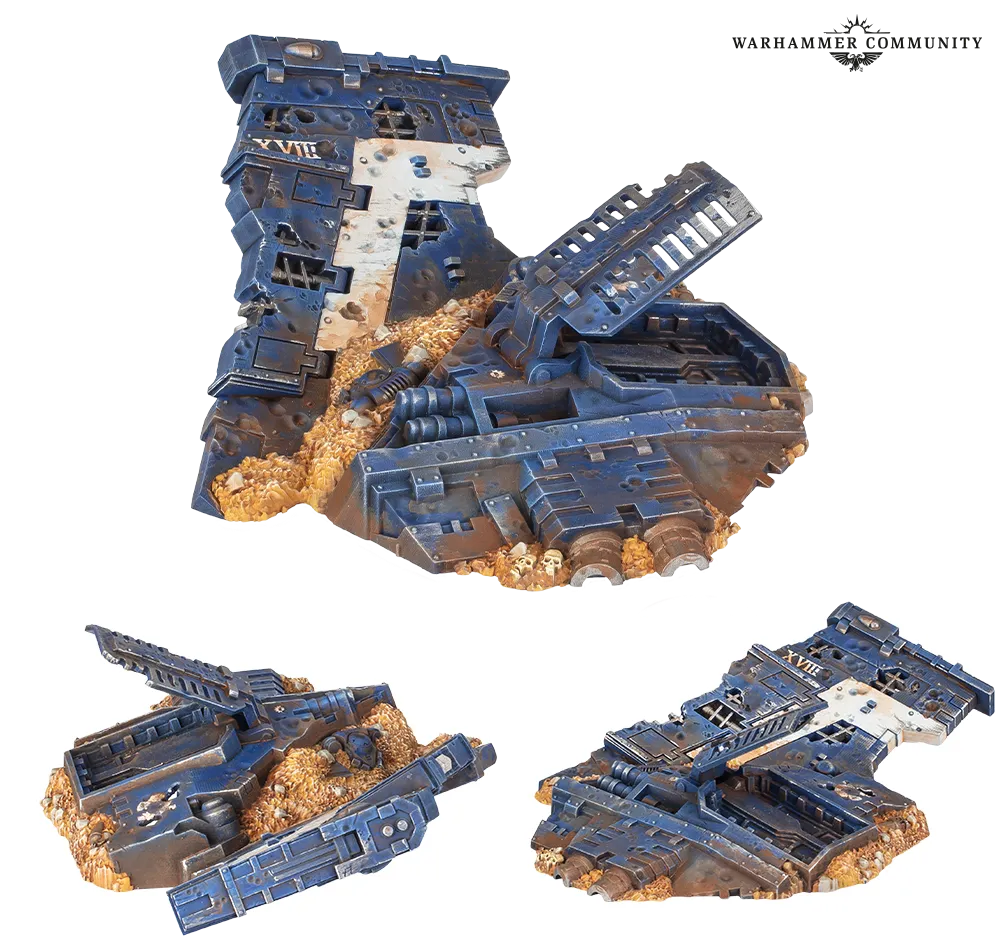
Image: Warhammer Community 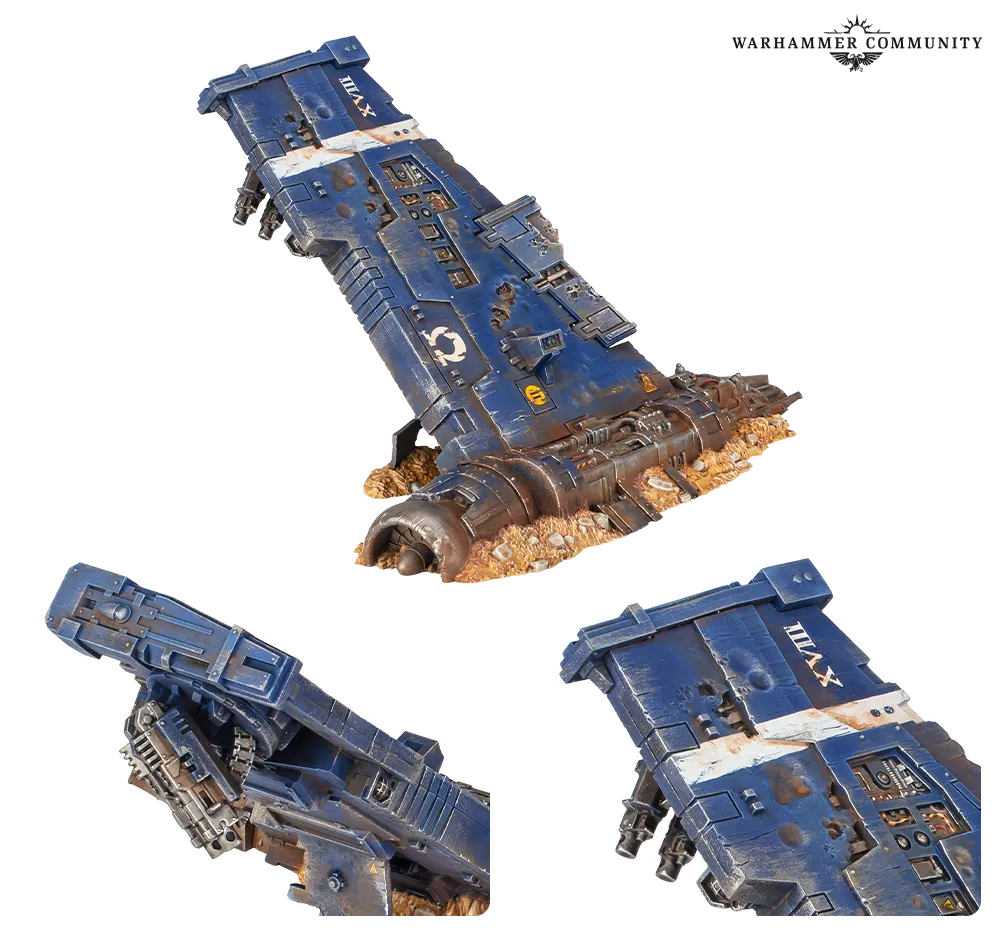
Image: Warhammer Community
How much will it cost?
Initial enthusiasm quickly shifts to the inevitable question: how much will it cost? With Battlefields: Armageddon sitting at around the price of two Combat Patrols, a piece of this size could land in the upper band of the terrain catalogue. And the timing does not help: in a month when rumours of another Games Workshop price increase are already circulating, the community will keep the sarcasm flowing until the company confirms numbers.
It is not just curiosity. Price will determine whether this kind of narrative scenery becomes a recurring product or stays a collector’s piece. For now, everything suggests it will not be cheap; the question is whether the format will justify it.
A sign that the hobby is not only about competitive play
The other reading, reassuring for some, has to do with the intent behind the kit. The Crashed Thunderhawk is not trying to optimise a list or slot into a standardised layout: it is trying to tell a story on the table. A failed landing, a humiliated Chapter, a battlefield where something went very wrong before the game even started.
That matters because it shows Games Workshop does not see Warhammer 40,000 purely as a tournament game. It is also betting on narrative scenery: pieces that add atmosphere, invite campaigns, enrich the display case, and turn a game among friends into something more memorable than a points shootout.
Our take
We like that Games Workshop is willing to back scenery pieces with real personality. The Crashed Thunderhawk does not replace the transport many have been asking for for years, but it does show the company understands something important: in 40K, terrain tells stories too.
Seen in perspective, it fits the Battlefields push and a hobby increasingly geared towards building full tables without spending weeks painting ruins. If the price is reasonable, it could become one of those pieces that defines a Marine collection and gives character to any narrative game.
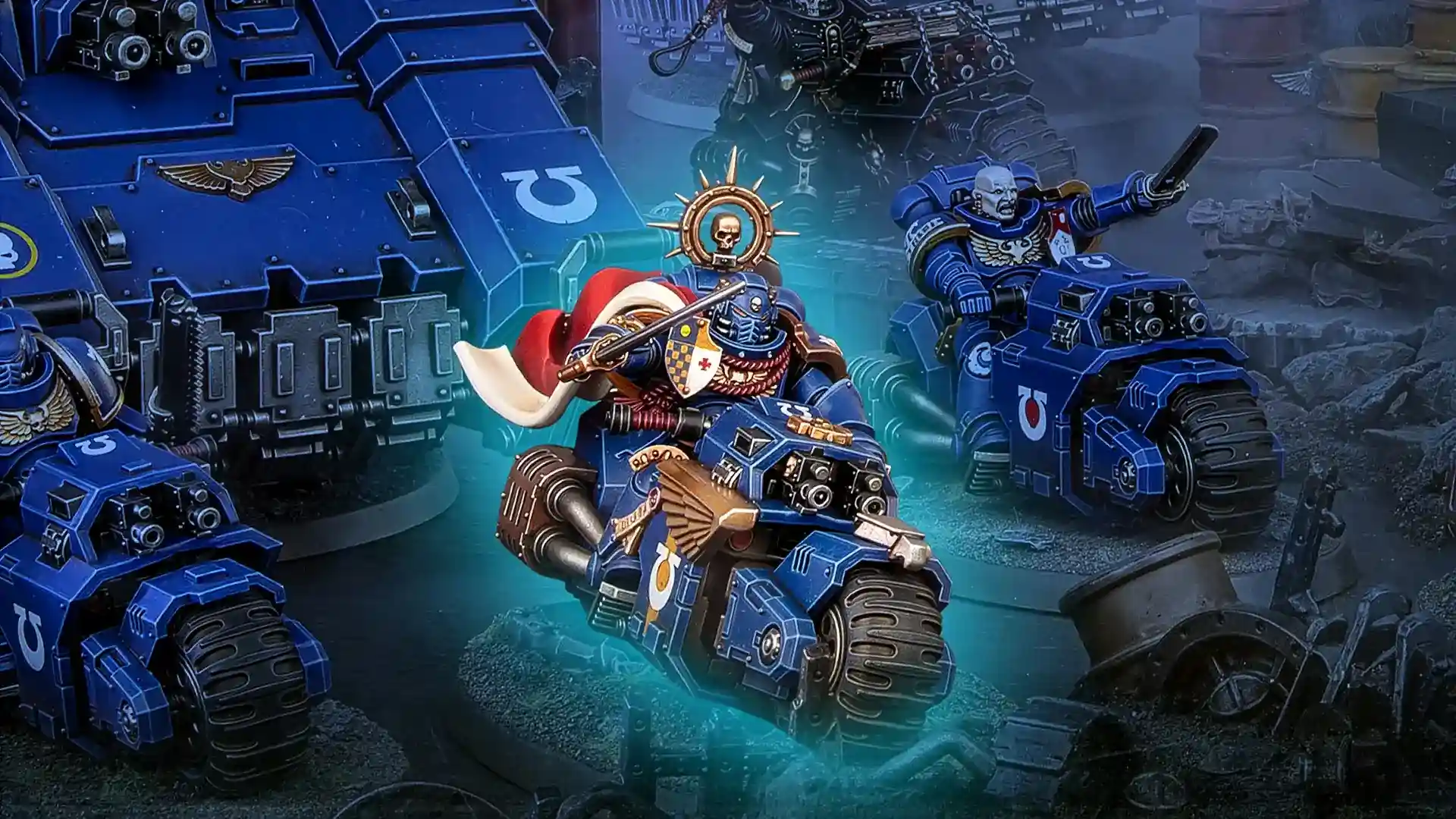
For now, the kit will be previewed inside the upcoming Codex: Space Marines, the same wave of releases that will bring the new Captain on Bike for Space Marines, although there is still no release date. Until then, the plastic Thunderhawk rumour will stay alive. Games Workshop knows it. And that was probably part of the plan.